Showing posts with label international pet moving. Show all posts

Wednesday, 20 December 2023

Grain Free Versus Grain Inclusive Dog Food


Grain Free Versus Grain Inclusive Dog Food

Pet food & the pet food industry has advanced significantly over a decade. Such advancements are certainly welcome, but they can oftentimes be a double-edged sword. While a wide range of options may appear like a blessing at first glance, the reality is that a plethora of options complicates things.

For instance, there are numerous products which contain loads of fillers, additives, artificial enhancers, and preservatives, with next to no nutritional value. If anything, such products are a cause for concern since they can lead to potential health issues for your dog further down the line.

Given the various options on offer, a common question is what are grain-free & grain-inclusive pet food. As always, you should consult your vet before making any changes to your pet’s diet, but it is helpful to know the differences between grain-free and grain-inclusive dog foods so you can make the best choice for your dog’s diet.

What is Grain-Free Dog Food?

Grain-free foods are grain-free dog foods, as you may have already guessed from their name, and contain grains in low concentrations. Dog breeds that are of working descent or are active daily may benefit from a protein-rich diet, and grain-free foods do away with the grains in foods and substitute them for meat and fruits/veggies. Such a diet is sometimes recommended for dogs with skin conditions, frequent eye or ear infections, and sensitive stomachs, as too many unhealthy grains in your pet’s kibble can cause these conditions.

At a glance, you’d think grain-free diets are good for your dog given the benefits they bring. However, things are not as simple as that. When a particular dog food is advertised as grain-free, it means that it has tiny amounts of grain; but, to keep the ratios even, it will have another ingredient in higher concentrations. High-quality dog food will substitute the grain for more meat, meaning the protein gained is from actual meat instead of a filler or artificial food.

While grain-free diets are largely grain-free, the binding agent used in dog foods will always be based on grain, usually lentils if it is a high-quality product. Some further ingredients may be added for fibre and for a complete diet too, so don't fret if you spot grains on your pet's grain-free food bag. All you need to do is make sure that the grains are present in small quantities, and you’ll be good to go.

Another thing to look out for when buying dog food is the labelling. You’ll notice that the term “meal” is used often on the packaging of dog food. Most of the time the term is positive, implying each serving will be high in nutrition. However, this is only the case with meals that are specific and contain no extra products. As an example, you should always make sure that your dog's meal of choice has the source of protein highlighted. Specific titles like "chicken meal" are protein-specific, letting you know the primary protein in the food comes from chicken, while "meat meal" is vague and could contain any sort of meat from any sort of animal (or animals) in it. 

What is Grain Inclusive Dog Foods?

A misconception that must be cleared up is that all grains are bad. This is simply not true, and the poor reputation of grains in dog food has much to do with the inclusion of filler grains in dog foods that provide no nutrition. Grains are no problem by themselves, provided they are not the main ingredient in a dog meal.

The important thing is to be able to differentiate between harmful/filler grains and healthy grains. Wheat, corn, and soy are filler grains and are often responsible for the poor reputation of grains. Oatmeal, barley, and brown rice are healthy grains that are high in fibre and help provide a high-quality meal to your pet without any fillers or artificial ingredients.  

A grain-free diet might be too rich for some dogs as the protein can be difficult to digest, so if your dog has a sensitive stomach or isn’t very active daily, you can go for a grain-inclusive diet. Remember, grains are the supplement in your dog’s meal and should never be the primary ingredient present in your pet’s food bowl.

To conclude, grain-free and grain-inclusive diets are simply the inclusion or exclusion of grains in a certain diet or dog food. Grain-free diets substitute fibre for more protein, while grain-inclusive diets help with digestion due to the added fibre from the grains in them. There is no right or wrong option here, so you should choose the diet that suits your pet and their growth the best. Make sure to consult your vet before making any changes to your pet's diet and ask for recommendations for grain-inclusive and grain-free dog foods if you’re confused about what to go with.

At the end of the day, the most important thing is that your pup receives a complete and balanced diet that is suited to them and will aid their growth and development. Remember, regardless of whether a diet is grain-inclusive or grain-free, a high-quality food product is extremely important to ensure your pup gets all the benefits of its food. 


Thursday, 24 August 2023

How to Maintain Your Pets Physical & Mental Health

How to Maintain Your Pets Physical & Mental Health

Mind and body go hand in hand. Or paw in paw, in the case of our pets. We know that pets are our cherished companions, loving us unconditionally. We also know that pets are a part of the modern family unit, as much a member of the family as any of their owners. However, while they are bundles of joy, our pets are also complex beings with mental and physical needs of their own. Since they cannot verbalize their needs, it is up to us as owners to look out for our pets and help maintain their mental and physical health. Here are a few ways you can do this .

Proper Food

Anyone who spends any amount of time in the gym will testify to the importance of a proper diet with high-quality foods. The same goes for your pet – to maintain your pet's physical health, it is important to provide them with a balanced diet comprised of high-quality ingredients. The key term to note here is 'balanced diet' since overfeeding will lead to obesity and only pose further problems. High-quality foods will contain proteins, fats, fibre, calcium, and carbohydrates in the right amounts to encourage a healthy growth rate, while low-quality foods will use fillers instead of quality ingredients. A planned diet will benefit your pet's respiratory, skeletal, cardiovascular, and digestive systems, while unplanned free feeding will be detrimental to them. If you’re unsure about how to draw up a new diet plan, consult your vet for a few tips on the same.

Recognize Distress 

To conclude, provided you feed your pet good quality foods, follow a balanced diet, stimulate them physically & mentally, and socialize them at the right time, you should have no issues maintaining your pet’s health. Do remember to visit your vet regularly, as they can help you spot problems in advance, but other than that, you should be good to go.

Provide Emotional and Mental Stimulation 

A pet will be truly healthy when it is in a good state, both physically and mentally. While we pay attention to a pet’s physical needs, we often forget the mental enrichment. Keeping your pet engaged mentally will prevent boredom, restlessness, and the eventually destructive behaviour a pet may exhibit in the absence of such stimulation. Play dates, puzzle toys, and enrichment toys can all help, especially when supplemented by your daily walks outdoors. Remember, when a pet is bored, that energy will manifest itself as destructive behaviour like chewing, whining, or biting, so try to help them release their energy at such a time instead of scolding them. Affection is a far more powerful motivator than anger, so make sure you show your pet you adore them. shower them with hugs, kisses, cuddles, brushings, and belly rubs (for dogs). Training your pet has numerous benefits, one of which is reduced stress and anxiety levels, which can be beneficial if you embark on pet travel frequently.

Routine & Regular Exercise 

Mind and body go hand in hand, so your pet’s enriched mind requires an equally capable body to truly flourish. Hiking, walking, running, and swimming are all brilliant ways to exercise your dog, while cats will benefit from cat toys that stimulate them indoors like puzzles. Alternatively, you could set up an obstacle course, teach your pet tricks, or hide treats instead of handing them out to make things more interesting for your pet. A quick ten-to-fifteen-minute game of fetch can work wonders for your pet’s physical and mental health. Since different species and breeds of pets require different levels of daily exercise, consult your vet before making any changes in routine.

Socialization 

Much like a human child, the early years of a pet play a crucial role in their socialization and their understanding of what’s right & wrong.  Pets should be socialized from a young age around humans and other animals to prevent any behavioural issues down the road. You can do so by visiting family with your pet or organizing playdates. Most behavioural issues pose a problem for your pet’s health and well-being, and since they stem from a lack of socialization, you should do so while they're young. Exploring the world is a great way to socialize your pet, so if your pet is old enough, you could consider pet travel to do so. Doing so will require you to crate train your pet, which will teach them to be relaxed in your absence and when travelling.

Vet Visits

As pet parents, our pets are the world to us. However, while nobody could ever love them more than us, some are better equipped to identify, diagnose, and treat potential issues our pets may have. You and I know these people as veterinarians. A vet specializes in pet healthcare and can spot issues that even the most loving pet parents would miss due to a lack of medical experience. Not just for times of crisis, a vet can help you with diet plans, routine check-ups, and further health exams to ensure your pet is fit and fine all the time.

To conclude, provided you feed your pet good quality foods, follow a balanced diet, stimulate them physically & mentally, and socialize them at the right time, you should have no issues maintaining your pet’s health. Do remember tovisit your vet regularly, as they can help you spot problems in advance, but other than that, you should be good to go.


Tuesday, 8 August 2023

Basic Vaccinations a Pet Needs Before International Travel

Basic Vaccinations a Pet Needs Before International Travel

Arranging for the relevant documentation and paperwork is one of the most labor-intensive aspects of international pet travel. While you may not require much in the way of paperwork when travelling with your pet domestically, each country has its own set of laws and restrictions which you must comply with to complete an international relocation successfully. Since nobody wants to transport or grant entry to a sick or ill animal internationally, travelers are required to carry proof of vaccination, which is also known as a pet passport or vaccination record. To help ease your journey, we’ve compiled a list of basic vaccinations every pet should have before an international journey.

Pet Vaccinations Required for International Travel

While different countries impose different rules regarding pet travel, there are a few basics which will remain consistent. For example, a rabies vaccination is a basic requirement which will be mandatory regardless of your destination. The vaccination must be at least 30 days old but no more than a year old as a rule of thumb; While you may have gotten your pet rabies shot may be valid for 3 years, some countries enforce this rule to minimize the risks associated with such a move.

A rabies vaccine will be a basic requirement for dogs, cats, and other household pets. However, depending on your destination. Your cat/dog may require additional immunizations to comply with import laws. It is recommended you check these requirements and laws and get your pet vaccinated in a timely manner. Here are a few extra vaccinations which can be included in the import requirements. Even if they aren’t needed, a bit of extra protection against infectious diseases is hardly something to object to.

For Dogs:

  • Rabies
  • DHPP (Distemper, Hepatitis, Parainfluenza, Parvovirus)
  • Bordetella (Kennel Cough)
  • Leptospirosis
  • CIV (Canine Influenza Virus) 

For Cats:

  • FVRCP (Feline Viral Rhinotracheitis, Calicivirus, Panleukopenia)
  • FeLV (Feline Leukemia Virus) 

Additional Requirements for International Pet Travel

Different countries have different laws regarding vaccination, but regardless of the rules, it is wise to be prepared before embarking on a long-distance pet relocation. Alongside the basic and mandatory vaccines, here are a few pet travel essentials you will need on your journey, be it for safety or convenience reasons.

  1. Chip - A pet microchip is permanent proof of ID and is a mandatory requirement when travelling overseas. Both the airline and your destination country will list a pet microchip as a mandatory import requirement, and it is an excellent safety device which helps identify your pet if they get lost, wander off, or is mixed up with a similar-looking pet. Pet microchips are standardized across the world; just make sure you have an ISO 11784/11785 chip and you’re good to go.

  2. Rabies Titer Test  - Some countries require more than proof of vaccination against rabies. Depending on whether you're travelling from a country which is classified as a "high rabies" country, you may need to produce the results of a rabies titer test. This test checks for the level of antibodies in a given blood sample through titration and ensures your pet is adequately immune to rabies before travelling. You may/may not require this test depending on your country of origin & destination.

  3. Import Permit & Documentation - Along with a pet passport, you will require an import permit and an export permit before flying with your pet overseas. Depending on your destination country, you may be required to get such a certificate endorsed by the appropriate (or approved) veterinarian. Along with this, you will require a health certificate/fit-to-fly certificate. Such a certificate is completed by a vet after a checkup, to ensure your pet is healthy and fit to fly before an airplane journey.  

  4. Parasite treatment - While not prescribed by all countries, some countries require you to treat your pet against internal and external parasites before an international move. This is done to prevent the introduction of parasitic infections into a country. Such treatment is supposed to be administered to a pet shortly before travel (roughly 24-72 hours before departure), so make sure to check if your destination country requires this treatment as an import requirement. 


Friday, 14 April 2023

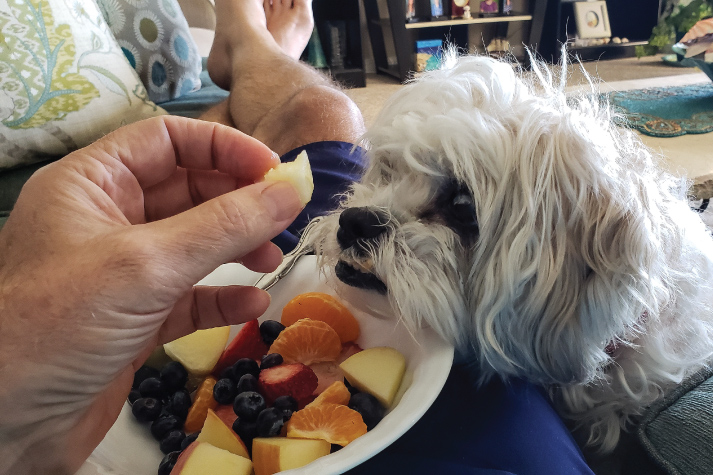
Fruits for Dogs: What to Serve & Avoid

Fruits for Dogs: What to Serve & Avoid

Fruits are universally acclaimed, no matter the country or culture. And for good reason; fruits are chock full of vitamins and minerals, with the benefit of being as delicious as they are healthy. Including a selection of fruits in a diet helps avoid deficiencies, strengthens the immune system, and aids digestion. They also serve as brilliant alternatives to the typically fried and nutritionally deficient snacks.

Can my Dog Eat Fruits?

The benefits of fruits aren't just limited to humans either, since nature's goodness can be enjoyed by our four-legged friends as well. However, dogs cannot eat everything we can, and every dog owner is well aware of the list of human foods that can be detrimental to a dog's health. Dogs have different dietary requirements to humans, and since they like to sample everything while not knowing what is/isn't harmful to them, the onus is on us to make sure they only eat foods which are safe for them. 

You may be wondering then, is it even healthy for my dog to eat fruits? The answer is yes, provided you feed them the correct fruits. Dogs are omnivores, and a balanced diet for them includes a variety of fruits, vegetables, meat, and grains. So, yes, your dog can eat fruits. The next thought you may have is, how do I know what fruits are good for my dog? What fruits are going to boost their health, and which ones are detrimental to it? What precautions should you take before serving certain fruits, and which ones to avoid altogether?

What Fruits Can I Serve to My Dog? 

Fortunately, there are a host of fruits your dog can enjoy safely. Here are a few of them you can serve.

  1. Apples: Apples are great snacks, as they are an excellent source of Vitamin A and Vitamin C. Do remember to remove the core and seeds before, as those aren’t good for them like they aren’t for us.
  2. Oranges: These colourful fruits have Vitamin C and fibre in abundance, just remember to remove the flesh and seeds before you serve it.
  3. Cucumbers: These fruits are high in water content and serve as a good source of Vitamin C and Vitamin K. Bonus: it’s a fruit with a low sugar and calorie count, meaning it can be safely served as a snack.
  4. Peaches: They make for a juicy treat, provided you remove the pits before serving.
  5. Watermelon: This water-rich fruit is great for beating the heat and staying hydrated on a scorching summer day. As with all fruits, remove the seeds if any.
  6. Mangoes: Affectionately known as the king of fruits, mangoes are a great source of Vitamin A, Vitamin C, and Vitamin E, but also high in sugar. You can serve mangoes as a treat on special occasions.
  7. Bananas: Packed with potassium and vitamins, bananas are a great treat, provided you do so occasionally. Its high sugar content makes it a less-than-ideal daily treat. 

What Fruits Are Harmful to My Dog? 

There are plenty of fruits to choose from to supplement your dog's diet. That being said, there are also some fruits and vegetables which you should avoid at all costs, as they can cause serious harm to your dog if ingested. Since dogs like to eat first and think later when confronted with any sort of food (unless you’ve trained them not to), there are some things you should keep well out of your dog’s reach. Here are a few of them. 

  1. Grapes: Grapes, and by extension raisins, are toxic to dogs, to the point where even a small amount can prove fatal. Keep these well out of reach of your dog if they're a staple in your fruit basket, and pay attention to its dry-fruit cousin during the holiday season.
  2. Cherries: The cherry plant and its seeds contain cyanide, which is toxic to dogs. Avoid them and dispose of the seeds and stems if they are around your house.
  3. Tomatoes: The tomato fruit itself is not harmful to dogs. But, the green stem that's often left attached to it can upset a dog's stomach, so it’s probably best to avoid them altogether.
  4. Potatoes: Raw potatoes contain solanine, which can upset your dog’s stomach. Keep out of your dog’s reach.
  5. Avocados: The seed, leaves, and skin of the avocado fruit all contain the toxin persin, which can cause an upset stomach, diarrhoea, and vomiting. Keep these healthy breakfast staples well away from your dog. 

What if my Dog Eats Such a Fruit? 

If you think your dog has ingested something that can be harmful to them, there are a few symptoms you can look out for:

  • Vomiting
  • Diarrhoea
  • Dehydration
  • Twitching
  • Low energy levels
  • Fatigue
  • Constipation and change in normal posture
If you observe one or more of these symptoms immediately or shortly after you suspect your dog of ingesting something they shouldn’t have, get in touch with your vet ASAP. Timely action can make a huge difference and save your pet’s health in such a scenario. Keep these foods off the shelves or tables where your dog might reach them, and make sure you follow precautions when serving your dog fruits. While some fruits are good for your dog and bring health benefits, others are detrimental to their health, and it is upon you as an owner to make sure your dog is eating well and eating healthy.


Thursday, 16 March 2023

Medication To Carry for Your Cat When Relocating

Medication To Carry for Your Cat When Relocating

While you may imagine carrying an entire medicine pouch while travelling internationally with your cat, the reality is far from it. You only need to carry medication with you if your cat has a chronic condition or currently on medication. You don’t need a lot of medicines to travel, but your pet will need a clean bill of health before you can embark on your journey together.

The basic requirements remain the same, regardless of the various import requirements imposed by different countries. Your cat’s vaccination record, a rabies titer test, and a health certificate are usually the basics. However, some countries require your cat to be fully immunized, which means getting the basic group of vaccinations:

  • FVRCP - Feline Viral Rhinotracheitis, Calicivirus, Panleukopenia
  • FelV - Feline Leukemia Virus

Some countries also require parasite treatment, internal and external. Different kinds of worms need to be treated for shortly before departure, and you’ll need to check for and treat ticks and fleas. Treatment time depends on the country you’re visiting and the testing parameters they require you to comply with.

The validity of a vaccine is also important to remember and consider. Some countries only accept a one-year rabies vaccination, while others accept three-year vaccinations. Some are happy with a rabies vaccination recorded in your cat’s record, others require the vaccination to be within a specific timeframe before travelling, conduct a rabies titer test, and cooperate with cooling periods. Countries like Canada have relatively lenient requirements, whereas Australia requires you to prepare for half a year before you can fly.

Health and Safety Import Paperwork

As mentioned previously, your cat needs clean bill of health before it can travel anywhere overseas. The risks associated with longer-distance flights mean your pet will be grounded if in poor health or injured, so make sure your pet is healthy and fit to fly. Proof of your pet’s health is a fit to fly certificate, also known as an international health certificate. Each country has their own health certificate which you need to get signed and stamped by a vet, who will do so after a check-up.

Keep an eye out for miscellaneous requirements which may go unnoticed in the fine print and can derail your whole journey. An example? the UK requires the rabies vaccination to come from a specific manufacturer, and all other kinds of vaccinations are deemed invalid. Another example is the U.S, requiring the health certificate to be stamped by a United States Department of Agriculture (USDA) accredited vet. They also require blood titer tests to be conducted at a Center for Disease Control (CDC) certified facility, failing which, your pet will be returned to the country of origin at your expense. Permits and tests can take time, so do not leave your preparations for later; the earlier you start, the better. 

Your pet can only fly in an IATA approved fiber crate, as these crates are manufactured with the safety requirements of pet transportation in mind. Buy an appropriately sized crate and crate train your cat, so it is less anxious and nervous while travelling than it otherwise would be. Account for ventilation and size your crate accordingly if you have a snub-nosed (brachycephalic) pet. The import criteria are often deemed stringent, but they are in place to safeguard the ecology of a state or country. It may seem a bit extreme, but if any import criteria are not met, a country reserves the right to return your pet at your expense.

Once you’re done with the health check-ups and paperwork, you need to comply with safety regulations. Your destination may not list it as a requirement, but a pet microchip is recommended before any travel. A microchip serves as ID proof for your pet, and your pet’s microchip number is their ID which appears on their documentation. Microchips must be of the standard, 15 Digit, non-encrypted, ISO 11784/11785 variety, which are accepted internationally.

Plan, Plan, Plan

Planning will be your best friend during a relocation. Failing to plan is planning to fail, and there’s no such thing as being too prepared for a complicated transfer which involves your pet, your pride and joy. You can take care of most of the regulations by yourself if the country you’re flying to doesn’t impose stringent import laws. You can prepare with relative ease and focus on the specifics of your new life overseas.

However, if the country you’re headed to has stringent import laws, you can prepare to meet them given enough time. If you’re struggling to meet your pet’s travel requirements, you can always hire a professional pet relocation service. Having conducted international pet relocations and being well versed with the international laws, such a company can guide you through the process and shoulder the inconvenience of having to procure numerous pieces of documentation and meet safety requirements. The fee a relocator charges goes towards guaranteeing your journey is hassle-free, and that no detail, minor or major, is overlooked in the preparation process. You may not need a bag full of medication for your cat when traveling, but you do need to fulfil the import criteria, which means a good deal of preparation beforehand you have any queries or concerns about your international pet relocation, contact us at query@carrymypet.com. 

Friday, 14 January 2022

Traveling Overseas With Your Pet Without Any Worries

A pet parent faces a major choice while migrating to a new country as it includes your pet moving with you. There are various interesting points and different pointers worth remembering to make your pet feel adjusted to a different climate. Notwithstanding, you can follow a couple of straightforward tips to help your pet settle in a new country without any problem.

POINTERS FOR INTERNATIONAL PET TRAVEL

1. Information on guidelines – The standards and rules concerning overall pet travel contrast starting withone country then onto the next. It is an activity to monitor the country from any new ailment or unwanted eruptions. You should concentrate on the guidelines and normally observed infections found in the new country to eliminate potential risk and get the pet immunized to guarantee their security.

2. Environment assessment – While crossing international borders with your pet, accumulate data about the predominant climatic conditions in the country of migration through research. This will assist you with arranging proactively and your fur buddy will actually want to adapt to the new environment effectively with your assistance.

3. Ideal preparation – Availing the services of pet movement specialists inside India or any other country, you should make explicit strategies before time. Being organized early will make it more easier for you to meet any situation. In all honesty, the worldwide pet movement similarly needs a huge load of work and dealing with time. It suggests you ought to be proactive in the present circumstances. Make an effort not to save things for the latest moment possible.

4. Consultation with a vet – A consultation with the veterinary expert is of utmost importance. Get a report of your pet's wellness with the objective that you can be aware of any secret issues about your pet's prosperity. A wellness report may perhaps be needed during the pet trade point of your development plan.

5. Crate shopping – No pets are permitted to travel with you or in the cargo lodge in any plane if they are not traveling in a government-approved crate. Subsequently, the crate should be a right measured crate and have full conveniences for the pet before you travel with them.

A Vet’s Guide: 8 Things You Should Never Do to A Dog

Dogs are intelligent, compassionate, loyal, and loving companions. To us humans, dogs have rightfully earned the moniker of ‘man’s best frie...