Showing posts with label domestic pet relocation. Show all posts

Thursday, 25 April 2024

A Vet’s Guide: 8 Things You Should Never Do to A Dog


A Vet’s Guide: 8 Things You Should Never Do to A Dog

Dogs are intelligent, compassionate, loyal, and loving companions. To us humans, dogs have rightfully earned the moniker of ‘man’s best friend'. However, it isn’t always the easiest thing to take care of a dog, as even people with the purest intentions can make a few mistakes in their care. To help dog owners avoid mistakes and mishaps, we’ve compiled a short list with tips from 
pet vets to help you steer clear of unwanted or dangerous situations, whether you are at home or embarking on international pet transportation.

Here Are 8 Things You Should Never Due to Your Dog, According to Vets

  1. Do Not Let Them Run with Sticks - Most dogs love a game of fetch and watching them trot about with a stick in their mouth can be adorable to witness. However, in doing so, you run the risk of injury, as such sticks can often get stuck in the ground and lead to injuries for an excited dog who cannot notice the stick is stuck. Such a stick can impale your dog, with such injuries being distressing, painful, and in some cases even fatal. To get around this, never throw a wooden stick in a game of fetch; opt for a soft toy or a rubber ball instead. 
     
  2. Do Not Use a Retractable Leash - As an owner, you should never use a retractable leash when walking your dog outdoors. Such leashes can get twisted around your hand and cause friction burns like a measuring tape, and they are also hard to retract during an actual emergency where they can injure both your dog and a member of the public. Such leashes typically extend to 10 feet or so, and grabbing such a leash while your dog is trying to dart about can lead to serious injuries. Avoid these products and stick to traditional leashes and collars. 

  3. Do Not Use a Choke Collar  - Pulling on your dog’s leash occasionally is normal, as it is necessary to stop their curiosity from causing them harm in public. However, routinely jerking on your dog’s leash can lead to neck injuries and should never be done for disciplinary reasons. Frequently yanking on your dog’s leash can fracture the hyoid bone near the base of the tongue and cause plenty of problems. Additionally, such a collar chokes the dog if the dog is running away, which is also dangerous as a constriction and suffocation hazard. 

  4. Do Not Use Sunscreen - While it may seem like a natural thing to do, your dog already has natural sun protection thanks to their thick fur coats. Sunscreen can be toxic to dogs due to certain ingredients, and these can be dangerous if ingested. Therefore, avoid putting any sunscreen on your dog; they have a natural layer of protection as it is. 

  5. Antibiotic Ointment - Dogs will get themselves minor cuts and scrapes. This is a natural part of daily life and exploration, and it is also natural to want to tend to such wounds as they happen. However, humans and animals have fundamentally differing physiologies, and therefore antibiotic ointments and crams meant for human use should never be used on dogs. Many ingredients used in such ointments may be safe for humans but are dangerous to dogs, so keep them away from your pet and consult your vet on how to treat a cut or scrape instead. 

  6. Do Not Let Them In Your Bathroom - Pets should be kept out of the bathroom as a rule. Toilet water is not fit for consumption, so keep the lid lowered and make sure your dog cannot access the toilet bowl. Toilets also contain plenty of chemicals and cleaning agents which can be toxic to dogs, so consider pet-proofing your bathroom if your dog is someone who likes to explore. 

  7. Do Not Give Your Dog Ice - With summers around the corner, you're likely considering a few ice cubes in your dog's water bowl to beat the heat. However, ice can easily chip your dog's teeth, even breaking them in a few cases, with the larger teeth located in the back of their mouth being particularly susceptible to breakage. Broken teeth can easily catch an infection, which will then have to be remedied via a root canal or tooth extraction. Given that these conditions are both painful for your dog and expensive to fix, it is best to avoid serving ice to your dog. 

  8. Do Not Serve Table Scraps - It may seem harmless, but as a habit, you should avoid serving your dog table scraps, no matter how adorable those puppy-dog eyes may be. Human foods can oftentimes be harmful to your dog, especially when considering the nutritional content of certain foods. Foods with too much fat or sugar will lead to various problems for your pet, such as pancreatitis or obesity. 

To conclude, there are several things that pet owners may be doing to their dogs unknowingly. Regardless of whether you are at home or travelling on an international pet relocation, these tips should help keep your dog safe, healthy, and happy. Remember to consult your vet before implementing any changes to your dog's life. 

Wednesday, 6 March 2024

Puppy Socialization: Why Is It Important?

Puppy Socialization: Why Is It Important?

Bringing a puppy home is among the most joyous experiences you can have. When a dog is brought home as a puppy, it needs to be fed, cared for, and taught, so they can thrive in their new environment. You might have heard of house training, wherein you teach your pup how to interact with various items and people in your household.

You might also have heard of the term socialization; think of socialization as training for the outside world. A properly socialized pup will be able to interact and thrive in any circumstance or setting and become comfortable around a variety of sights and smells. Doing so when a puppy is still young is crucial, as this will help prepare them for the future and avoid behavioural issues further down the road. Here are a few reasons why puppy socialization is important and how you can socialize with your new best friend.

What is Puppy Socialization?

Socialization is the process of learning to live and behave in a socially acceptable manner. Puppy socialization is done for this purpose as well, to help them learn how to function and participate in their respective social spheres. It is usually done when a dog is still a pup, at around 3-12 weeks of age, as this is the period where a pup’s brain can easily learn about the different sorts of interactions in their daily life.

Early socialization eases the acclimation process and helps your puppy become comfortable in their day-to-day environment. During the socialization period, a pet parent will try to expose their pup to multiple stimuli which will familiarize their friend with several experiences, meeting people and animals and getting to smell and see plenty. When done at an early stage, a puppy becomes accustomed to its environment and grows into a healthy pet that is well-adjusted to its environment.  

Here are a few things a puppy can become comfortable with once socialized:

  • People (both inside the household and out in the world)
  • New sights and smells 
  • New objects 
  • Other dogs and new animals 
  • New materials and surfaces (Example: glass) 

Why is it Important to Socialize My Puppy? 

Socialization is both important and necessary for your dog to be comfortable throughout their life. Dogs have to deal with a variety of stimuli throughout their lives, especially if they reside in a crowded or built-up area. From people to cars to a plethora of different stimuli, fast-moving objects and stationary ones, your pet will be exposed to multiple stimuli, and the more familiar your pet is with them, the better off it will be when at home or during pet travel.

Let’s take an example. Let’s say you live in an apartment complex, and you’re using the lift with your pet when a teenager walks into the lift. They might be considerate and ask to pet your dog, but they also might be ignorant of the situation and simply reach forward to touch your dog; such everyday situations are what early socialization targets, as the more exposure your pet has to everyday stimuli and situations, the better equipped it will be to handle them in the future. Puppies who have been properly socialized are less anxious and afraid of the outdoor world and other people/animals, and oftentimes socialization is crucial to avoid issues like anxiety and behavioural issues in the future. 

How Can I Socialize My Puppy? 

While it may seem like you simply need to head out with your puppy and show it the sights and smells in the neighbourhood, there are a few things you’ll need to do before you can do so safely. One such thing is their vaccinations; make sure your puppy has received the core group of vaccinations (DHLPP) and ensure your pup is safe to be outdoors, as their young age leaves them prone to diseases and these are mandatory vaccinations for pet travel.

Be sure to speak to your vet before beginning the socialization process and avoid any stray dogs or other animals outdoors to minimize the risk of diseases and unwanted pests (ticks, fleas, etc). Here are a few tips on the socialization process and how to go about it. 

  • Preparing Your Puppy: Before you’re heading out, you should make sure you have a few basics such as a collar, harness, water, poop bags, wet wipes, and a mat.
  • Positive Reinforcement: You should use positive reinforcement while socializing your pet to help build a positive relationship between your pet and your environment. You can reward your pet with love, affection, toys, or treats for positive interactions with their surroundings and environment. 
  • Be Slow & Steady with Stimuli: Puppies need to be introduced to stimuli gradually, otherwise they may feel anxious. When showing your puppy new sights, be sure to observe and watch out for their body language; looking away, ears being pulled back shaking, or whimpering are all signs of anxiety, and you should move your pup immediately if you observe them.  Divert their attention with a treat or toy and wait for them to calm down. They do not need to be exposed to everything all at once, so the exposure should be brief and built upon gradually. 
  • Introduce Your Pup to People: Short and sweet interactions with people are a must during the socialization process. If you’re a family with children, then you’ll need to socialize your pup around children as well. Keep interactions short until your puppy is comfortable around people; do not let anyone pick up your puppy or make sudden movements with them, as it may scare your pup.
  • Follow a Socialization Routine: Pets are creatures of habit. Therefore, you should follow a routine while you’re socializing your pet. fix up a routine and socialize your pet regularly throughout the week, roughly 2-4 times depending on your progress with the socialization process.  Also, make sure to continue the socialization process as time goes on, as repetitive and continuous exposure to a variety of stimuli and situations is what will desensitize your dog and prevent behavioural regression as they age. 

Tips on How to Socialize a Puppy 

  • Walk your puppy during mornings and evenings, through different scenery, settings, and localities (if possible). 
  • Walk your puppy on a variety of surfaces; Grass, gravel, dirt, sand, concrete, metal, and stone are some day-to-day surfaces, so it is useful to get them used to them early. 
  • Keep your puppy away from areas or localities where there are sick/unvaccinated/stray dogs. There is a risk of contracting infectious diseases, which should be minimized by avoiding them altogether. 
  • Avoid areas with heavy amounts of litter or pet waste such as dog walking trails, at least until your pet is fully vaccinated. 
  • Arrange social playtime with other healthy pet puppies. 
  • Introduce your puppy to people, both young and old. 
  • Negative reinforcement will only act as a setback, so move your puppy immediately if you notice your puppy's body language shift or if it appears scared. 

Socialization is necessary to function in society, for both humans and pets. By making sure you socialize your pet early, you’re setting them up for a lifetime of comfort, whether at home, out and about in the neighbourhood, or when on a long journey when embarking on pet travel. Socializing is important because it will ensure your pup stays comfortable in any scene or setting; by providing it promptly, you'll ensure your pup is as comfortable as it can be in life.

Wednesday, 20 December 2023

Grain Free Versus Grain Inclusive Dog Food


Grain Free Versus Grain Inclusive Dog Food

Pet food & the pet food industry has advanced significantly over a decade. Such advancements are certainly welcome, but they can oftentimes be a double-edged sword. While a wide range of options may appear like a blessing at first glance, the reality is that a plethora of options complicates things.

For instance, there are numerous products which contain loads of fillers, additives, artificial enhancers, and preservatives, with next to no nutritional value. If anything, such products are a cause for concern since they can lead to potential health issues for your dog further down the line.

Given the various options on offer, a common question is what are grain-free & grain-inclusive pet food. As always, you should consult your vet before making any changes to your pet’s diet, but it is helpful to know the differences between grain-free and grain-inclusive dog foods so you can make the best choice for your dog’s diet.

What is Grain-Free Dog Food?

Grain-free foods are grain-free dog foods, as you may have already guessed from their name, and contain grains in low concentrations. Dog breeds that are of working descent or are active daily may benefit from a protein-rich diet, and grain-free foods do away with the grains in foods and substitute them for meat and fruits/veggies. Such a diet is sometimes recommended for dogs with skin conditions, frequent eye or ear infections, and sensitive stomachs, as too many unhealthy grains in your pet’s kibble can cause these conditions.

At a glance, you’d think grain-free diets are good for your dog given the benefits they bring. However, things are not as simple as that. When a particular dog food is advertised as grain-free, it means that it has tiny amounts of grain; but, to keep the ratios even, it will have another ingredient in higher concentrations. High-quality dog food will substitute the grain for more meat, meaning the protein gained is from actual meat instead of a filler or artificial food.

While grain-free diets are largely grain-free, the binding agent used in dog foods will always be based on grain, usually lentils if it is a high-quality product. Some further ingredients may be added for fibre and for a complete diet too, so don't fret if you spot grains on your pet's grain-free food bag. All you need to do is make sure that the grains are present in small quantities, and you’ll be good to go.

Another thing to look out for when buying dog food is the labelling. You’ll notice that the term “meal” is used often on the packaging of dog food. Most of the time the term is positive, implying each serving will be high in nutrition. However, this is only the case with meals that are specific and contain no extra products. As an example, you should always make sure that your dog's meal of choice has the source of protein highlighted. Specific titles like "chicken meal" are protein-specific, letting you know the primary protein in the food comes from chicken, while "meat meal" is vague and could contain any sort of meat from any sort of animal (or animals) in it. 

What is Grain Inclusive Dog Foods?

A misconception that must be cleared up is that all grains are bad. This is simply not true, and the poor reputation of grains in dog food has much to do with the inclusion of filler grains in dog foods that provide no nutrition. Grains are no problem by themselves, provided they are not the main ingredient in a dog meal.

The important thing is to be able to differentiate between harmful/filler grains and healthy grains. Wheat, corn, and soy are filler grains and are often responsible for the poor reputation of grains. Oatmeal, barley, and brown rice are healthy grains that are high in fibre and help provide a high-quality meal to your pet without any fillers or artificial ingredients.  

A grain-free diet might be too rich for some dogs as the protein can be difficult to digest, so if your dog has a sensitive stomach or isn’t very active daily, you can go for a grain-inclusive diet. Remember, grains are the supplement in your dog’s meal and should never be the primary ingredient present in your pet’s food bowl.

To conclude, grain-free and grain-inclusive diets are simply the inclusion or exclusion of grains in a certain diet or dog food. Grain-free diets substitute fibre for more protein, while grain-inclusive diets help with digestion due to the added fibre from the grains in them. There is no right or wrong option here, so you should choose the diet that suits your pet and their growth the best. Make sure to consult your vet before making any changes to your pet's diet and ask for recommendations for grain-inclusive and grain-free dog foods if you’re confused about what to go with.

At the end of the day, the most important thing is that your pup receives a complete and balanced diet that is suited to them and will aid their growth and development. Remember, regardless of whether a diet is grain-inclusive or grain-free, a high-quality food product is extremely important to ensure your pup gets all the benefits of its food. 


Friday, 14 April 2023

Fruits for Dogs: What to Serve & Avoid

Fruits for Dogs: What to Serve & Avoid

Fruits are universally acclaimed, no matter the country or culture. And for good reason; fruits are chock full of vitamins and minerals, with the benefit of being as delicious as they are healthy. Including a selection of fruits in a diet helps avoid deficiencies, strengthens the immune system, and aids digestion. They also serve as brilliant alternatives to the typically fried and nutritionally deficient snacks.

Can my Dog Eat Fruits?

The benefits of fruits aren't just limited to humans either, since nature's goodness can be enjoyed by our four-legged friends as well. However, dogs cannot eat everything we can, and every dog owner is well aware of the list of human foods that can be detrimental to a dog's health. Dogs have different dietary requirements to humans, and since they like to sample everything while not knowing what is/isn't harmful to them, the onus is on us to make sure they only eat foods which are safe for them. 

You may be wondering then, is it even healthy for my dog to eat fruits? The answer is yes, provided you feed them the correct fruits. Dogs are omnivores, and a balanced diet for them includes a variety of fruits, vegetables, meat, and grains. So, yes, your dog can eat fruits. The next thought you may have is, how do I know what fruits are good for my dog? What fruits are going to boost their health, and which ones are detrimental to it? What precautions should you take before serving certain fruits, and which ones to avoid altogether?

What Fruits Can I Serve to My Dog? 

Fortunately, there are a host of fruits your dog can enjoy safely. Here are a few of them you can serve.

  1. Apples: Apples are great snacks, as they are an excellent source of Vitamin A and Vitamin C. Do remember to remove the core and seeds before, as those aren’t good for them like they aren’t for us.
  2. Oranges: These colourful fruits have Vitamin C and fibre in abundance, just remember to remove the flesh and seeds before you serve it.
  3. Cucumbers: These fruits are high in water content and serve as a good source of Vitamin C and Vitamin K. Bonus: it’s a fruit with a low sugar and calorie count, meaning it can be safely served as a snack.
  4. Peaches: They make for a juicy treat, provided you remove the pits before serving.
  5. Watermelon: This water-rich fruit is great for beating the heat and staying hydrated on a scorching summer day. As with all fruits, remove the seeds if any.
  6. Mangoes: Affectionately known as the king of fruits, mangoes are a great source of Vitamin A, Vitamin C, and Vitamin E, but also high in sugar. You can serve mangoes as a treat on special occasions.
  7. Bananas: Packed with potassium and vitamins, bananas are a great treat, provided you do so occasionally. Its high sugar content makes it a less-than-ideal daily treat. 

What Fruits Are Harmful to My Dog? 

There are plenty of fruits to choose from to supplement your dog's diet. That being said, there are also some fruits and vegetables which you should avoid at all costs, as they can cause serious harm to your dog if ingested. Since dogs like to eat first and think later when confronted with any sort of food (unless you’ve trained them not to), there are some things you should keep well out of your dog’s reach. Here are a few of them. 

  1. Grapes: Grapes, and by extension raisins, are toxic to dogs, to the point where even a small amount can prove fatal. Keep these well out of reach of your dog if they're a staple in your fruit basket, and pay attention to its dry-fruit cousin during the holiday season.
  2. Cherries: The cherry plant and its seeds contain cyanide, which is toxic to dogs. Avoid them and dispose of the seeds and stems if they are around your house.
  3. Tomatoes: The tomato fruit itself is not harmful to dogs. But, the green stem that's often left attached to it can upset a dog's stomach, so it’s probably best to avoid them altogether.
  4. Potatoes: Raw potatoes contain solanine, which can upset your dog’s stomach. Keep out of your dog’s reach.
  5. Avocados: The seed, leaves, and skin of the avocado fruit all contain the toxin persin, which can cause an upset stomach, diarrhoea, and vomiting. Keep these healthy breakfast staples well away from your dog. 

What if my Dog Eats Such a Fruit? 

If you think your dog has ingested something that can be harmful to them, there are a few symptoms you can look out for:

  • Vomiting
  • Diarrhoea
  • Dehydration
  • Twitching
  • Low energy levels
  • Fatigue
  • Constipation and change in normal posture
If you observe one or more of these symptoms immediately or shortly after you suspect your dog of ingesting something they shouldn’t have, get in touch with your vet ASAP. Timely action can make a huge difference and save your pet’s health in such a scenario. Keep these foods off the shelves or tables where your dog might reach them, and make sure you follow precautions when serving your dog fruits. While some fruits are good for your dog and bring health benefits, others are detrimental to their health, and it is upon you as an owner to make sure your dog is eating well and eating healthy.


Monday, 27 March 2023

Top 5 Pet-Friendly Airlines from the USA To India

Top 5 Pet-Friendly Airlines from the USA To India

Given that pets are an integral part of the family unit nowadays, it is no surprise to see services catering specifically to the needs of the modern house pet. Pet travel is one such service, with a host of airlines now offering domestic and international pet transportation services to flyers accompanied by pets. 

It has gotten to the point where a traveler has multiple pet-friendly airlines to choose from, who fly specific routes, all of whom promise a smooth journey and a hassle-free experience. 

Here Are Five of Them in No Particular Order :


Air India


Air India is extremely accommodating when it comes to pets. Not only do they let passengers fly their pets with them, but they also allow pets in the cabin, which is a rarity in India. To fly with Air India, all you need is a fit-to-fly certificate and your pet’s vaccination record. The international import requirements vary from country to country though, and you should do your research before making a booking. 

Air India does not allow pets on non-stop flights, with the only exception being made for service dogs. 

Your Pet Can Depart from These Airports in India: 

  • Bangalore (BLR)
  • Chennai (MAA)
  • Delhi (DEL)
  • Hyderabad (HYD)
  • Kolkata (CCU)
  • Mumbai (BOM)
Pets in Cargo: Permitted 

Pets in Cabin: Permitted 

Price: Varies 

Turkish Airlines 


Turkish Airlines fly a plethora of routes and allows pets to fly both in-cabin (as long as your pet + crate weighs under 8 KG) and in the cargo bay. They allow dogs, cats, and small birds to fly onboard. Passengers are allowed two pet crates per plane, but only one is permitted inside the cabin. 

  1. Pets in Cargo: Permitted 
  2. Pets in Cabin: Permitted 
  3. Price: $70 USD and above 

Lufthansa Airlines 


Lufthansa welcomes pet travel. Passengers are allowed to travel with their pets inside the cabin and in the cargo hold. They impose an age limit, wherein your pet needs to be at least 16 weeks/4 months old before they can travel. The airline and its customer support teams ensure your journey is as smooth as possible, so make sure to contact them when making your booking. 

They also impose an 8KG weight limit for pets travelling in-cabin, which includes the weight of the pet and the crate accompanying it. 

  1. Pets in Cargo: Permitted 
  2. Pets in Cabin: Permitted 
  3. Price: $90 USD and above 

JetBlue 


JetBlue is recognized as one of the most pet-friendly airlines throughout the United States. They offer a program called the Jet Paws program, which is tailor-made to cater to passengers travelling with pets. Included in this program are services like reservations and travel bookings, and special areas where pets can relax and unwind. 


JetBlue issues specific guidelines about the size of the crate your pet can fly in-cabin in. For cabin travel, the crate should measure 43.18 centimeters long X 31.75 centimeters wide X 21.59 centimeters high (or 17 inches long X 12.5 inches wide X 8 inches high). 

  1. Pets in Cargo: Permitted 
  2. Pets in Cabin: Permitted 
  3. Price: $100 USD

Delta Air


Delta Air continues the trend of pet-friendly North American Airline operators and allows pets to travel either as excess baggage or in the cabin with the pet parent. Your pet and approved pet carrier count as one personal item and must fit under the seat in front of you. 


The pet carrier cannot exceed 17" Length x 12.5" Width x 8.5" Height (43.18 cm Length x 31.75 cm Width x 21.59 cm Height). The combined weight of your pet and the carrier must not exceed 20 pounds. 

  1. Pets in Cargo: Permitted 
  2. Pets in Cabin: Permitted 
  3. Price: $125 USD  
To Conclude 

Do remember that most airlines will offer provisions for both in-cabin travel with your pet, and pet travel in the cargo hold, but will not accept pets in the cabin when on international journeys. This rule is in place for the comfort and safety of passengers and pets. 


Choosing an airline for your journey, especially one with your pet, is extremely important. Thankfully, you now have options to choose from. Always choose the option which serves your trip the best, and always make your choice with the safety of your pet in mind. 


Need help relocating your pet? With door-to-door pet relocations available domestically and internationally by our expert pet handlers, we have you covered. Contact 08908909020 or enquiry@carrymypet.com for a booking today


Monday, 12 December 2022

How Long Does It Take For A Dog To Adjust After A Move?

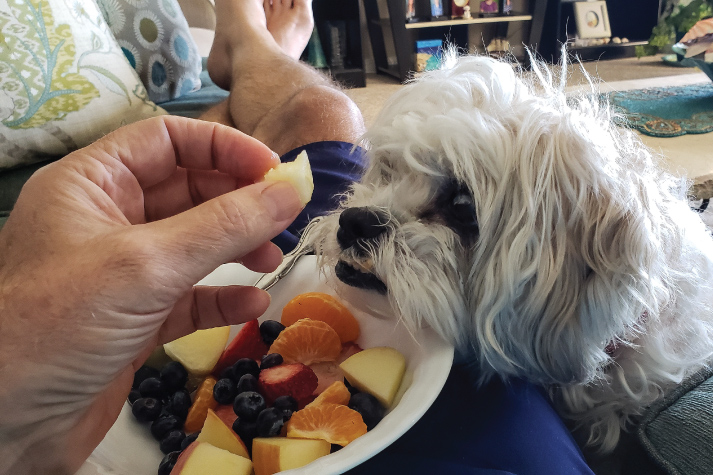
Dog sit on parent lap image


Moving residences is taxing on the whole family. Whether embarking on
domestic travel or on international pet relocation, leaving behind a familiar place is disorientating. Dogs are especially likely to feel anxious or nervous in the initial stages of your move. Its natural, considering that they have no familiar scent or sight in a new home. Given time though, your pet will be comfortable as ever in their new home. All it will take is a little patience and effort on your part. Here are a few things you can do to make your pup more comfortable and adjust after a move.

Create a Familiar and Comfortable Environment

The first thing you can do to help your pup settle in is create a familiar space. Use items which they interacted with daily in your previous home; you can make a nice corner with a bed and their toys, as well as blankets or any other items they associate with the comfort of home. Patience is key while they become accustomed to their surroundings, so be patient, and let your dog explore their new home at their own pace.

2.      Make & Maintain Routine

An unfamiliar schedule can contribute to making your dog nervous, especially as they are often creatures of habit. Plan a routine for their mealtime, play time, and walks/exercise. If your dog had a routine in their previous home, try to replicate that. Do not make sudden changes to their diet or exercise routine and minimize loud noises to maintain a calm environment at home. If not, you can always start fresh; a schedule will help them adjust in their new home and help introduce a sense of familiarity quickly.

3.      Attention & Affection

During this adjustment period, it is important to shower your dog with love and affection. You can do this in a few ways. Give them extra attention, play with them more often, and give them extra treats. The more love and affection you show your dog, the quicker they will relax in their new home.

During this acclimation period, there may be times when you have to leave your dog alone. This is something which would not have been a problem in your previous home, but in a new and unfamiliar environment, it becomes an issue. They key to teaching them to be calm is to take one step at a time.

Start by leaving your dog alone in a room and going to another part of the house for a few moments. Slowly extend this period of time, until they don’t mind you being out of the house for five minutes. Continue to gradually increase this time period, until your dog doesn’t mind being alone while you run errands or step outside for work.

To conclude, you must remain patient and loving with your dog while they settle in after your move. Don’t expect them to settle in straight away. Try to fix a routine, give them plenty of love, and let them explore their new home at their own pace. Given time, they will become as comfortable in your new home as they were in your old one. If you need any help or tips on how to alleviate your dog’s nervousness or anxiety, call us on 08908909020. Having conducted over 6000 domestic and international pet relocations, we are well versed in the anxiety preceding a move and the anxiety after it faced by a pet.

Tuesday, 15 November 2022

How do you Prepare Your Dog for a Long Trip?


Sometimes the need to escape monotony is overwhelming. Daily life and its routines can lead to exhaustion and burn out, which manifest as a desire to get away from it all. Need a break form this and escape the city? Worried about leaving your darling dog alone at home? Why not take them with you on your travels? Dogs are excellent travel partners and can be great fun, provided you plan ahead.​

Here’s How You Can Prepare Your Dog For a Long Road Trip.

Vet Visit

A visit to the vet is recommended before any movement, be it is domestic travel or an international relocation. Your vet can give your pet a clean bill of health before their travels, as well as help with any potential travel-related maladies, such as motion sickness and restlessness in the car.

Dummy Drives

Before embarking on a full-length journey, try shorter ones first. If your dog doesn’t have much experience being inside a car, start with just sitting in the car, then take them on shorter trips and slowly make such trips longer. This buffer period will also help identify and diagnose common issues your pup may have, like motion sickness, restlessness, bladder control, so that lengthier travels with your pet are hassle-free.

Rest & Refreshment Stops

Plan your stops ahead of time to avoid rushing at the last moment. Be sure to check beforehand whether the rest stop/hotel/accommodation you booked is pet-friendly and clean. For domestic travel, make sure to research safe spots to stop for a rest, as well as noting the locations of establishments you may need, such as a vet, clinic, or a medical store. 

Travel Essentials

As there’s no guarantee of what you might end up needing while on the road, it is necessary to be prepared. Carry a first aid kit, collars, leashes, water bottles and bowls, and toys. Bring along a spare pillow or blanket for them to sprawl on, and a few chew toys or treats. Whether you’re embarking on domestic travel or an intercontinental journey, remember to microchip your pooch, as that the only proof of identity they have, and is extremely useful if your dog (God forbid) gets lost or wanders off. 

Car Mods

While most people recommend keeping your dog inside a crate for the duration of any journey, the reality is, since you’re going on a long trip with them and travelling with them domestically, this recommendation is seldom followed. Instead, we’d like to recommend some real-world advice which people might follow. If not in a crate, make sure your pup is leashed inside the car. An un-leashed dog inside can deviate your focus from the road, which is not a good thing. Make sure to belt them in their seat, and remember to tie their leash onto the belt itself or another secure location. If you have a nosy or clingy pup, install a screen or separator/divider between the front and back seats, so your focus remains on the road as your pup vies for your attention.

Weather and Temperature

Account for prevailing weather conditions before your travels. Avoid the outdoors during afternoons, especially if you’re traveling during the summer, and try to cover ground earlier in the day so you can relax during the hot afternoons. Make sure to keep your pup sufficiently hydrated, as dehydration is common when on the road. Keep your windows down; not far enough to provide an escape opportunity, but enough to allow some fresh air to circulate in the car.

Travel by yourself does not require quite as many preparations as pet transportation/travel, but choosing to bear the extra step or two while in preparation can make the journey an immensely satisfying experience. Provided that you check all the safety boxes, your longer trip with your dog will be a joyous and memorable occasion.

If you’re unsure about the preparation or can’t deal with the hassle, you can always call a pet relocation company. If you need help on your longer domestic journey with your pet, or are looking for international pet relocation services, contact Carry My Pet for safe and hassle-free solutions for your trip.

Tuesday, 8 March 2022

Pet Transportation Experts are Here to Save the Day

Pet transportation can be very stressful. It is challenging when you need to oversee such countless things together during your change to another area. Why not connect with an expert organization for pet movement to alleviate pressure? Allow us to discover the top advantages of employing a worldwide pet travel service.

Advantages of Hiring Pet Transportation Experts:

Regardless of whether you are going for migration or fun, you should deal with your family's beloved little companion. To live it up with your pet on an excursion, you should enlist a pet travel service without a doubt. Here are the top advantages of employing a pet travel agency.

1. Proficient Approach - Relocating a pet isn't some tea. It is a living being in need of care throughout the excursion. The best way to accomplish the ideal conditions for international pet transportation export, international pet transportation import, or domestic pet transportation is by recruiting an expert for the gig. The expert organization will show outrageous commitment and will adjust the business - standard ways to deal with the migration your pet to anyplace. From looking for point-by-point data about your pet's highlights and to checking the conventions of the country, the whole work will be capably dealt with. The specialist organization will select its group of experts for various positions, for example, picking a pet-friendly hotel, pressing pet stuff, recognizable proof prerequisites, quarantine reservations, and so forth It will likewise organize to pick and drop offices for your pet as well.

2. Eliminates Stress - Planning a migration is a huge task to perform. Envision what you need to go through to guarantee a protected movement for your pet. Why take such a lot of pressure when it tends to be dealt with by experts in return for a reasonable help charge? Try not to hustle to discover pet-friendly aircrafts or reaching the experts for understanding pet quarantine terms. Allow the expert organization to deal with it and make it less distressing for you.

3. Saves Money and Time - By seeking proficient help from an organization for pet relocation inside India and abroad, you can without much of a stretch observe the best assets utilizing its mastery and contacts. It implies that you will actually want to coordinate top courses of action at a reasonable rate inside a brief period. Henceforth, you can set aside both time and cash in this endeavor.

4. No Worries During the Progress - Why stress the whole trip for your pet? There is not a remotely good excuse to fall into the intricacies of check-outs and customs. Get an expert required to deal with everyone of these and travel bother-free.

Being a pet parent, you want what's best for your pets. You want your pet to be safe and comfortable. That is where pet transportation experts can help you. Choose the best-suited pet relocation expert and have a wonderful time with your pet. 

Monday, 8 November 2021

How to Pick a Pet Shipping Company


Before making up your mind about the pet flights company for the United States of America, the United Kingdom, Dubai, or Canada or for a domestic pet tour, consider the following points-
  • Verified by the government authorities and licensed.
  • Necessary clearances to fly livestock.
  • Pet Travel clearance documentation from vets and legal microchip installation and their authentication. They also need to conclude the documentation.
  • Make sure the cargo booking with airlines is done on time.
  • NOC for international pet import and a quarantine clearance before the flight is booked.
  • Domestic pet journeys and international pet journeys have different individual paperwork.
  • Special arrangements for sick or injured pets.
  • If your pet is being imported or exported, an animal quarantine certificate is required.

Thursday, 26 August 2021

Basic Tips to Move with Pets


Moving with your pet can be tough as health certificate can be a problem, there is a risk of developing anxiety in the flight, and customs can be an issue that can be frustrating. Don't worry, just follow these 5 effective tips to make pet export easy:

  • Whenever you book a flight, whether for international pet relocation or domestic pet relocation, just keep the airlines in the loop about the pet's travel with you to avoid last-minute tension.
  • Arrival at the airport should be early to take care of the customs and regulations related to your pet’s delivery.
  • Keep your pet’s health records in hand to show for proof.
  • Try to make pet shipping easier by taking adequate food, water, and a mattress for the pet.
  • Also, make sure that your pet is calm before he/she boards the flight. To do this, take them for a long walk before the journey.

A Vet’s Guide: 8 Things You Should Never Do to A Dog

Dogs are intelligent, compassionate, loyal, and loving companions. To us humans, dogs have rightfully earned the moniker of ‘man’s best frie...